


Member Spotlight: East Oakland Youth Development Center
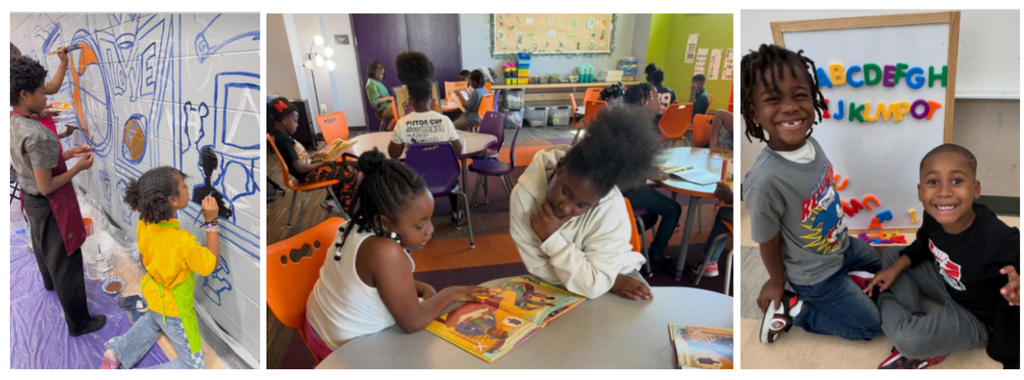
East Oakland Youth Development Center visualizes a community of empowered youth and young adults with the character, skills, and network to positively contribute to society. EOYDC’s mission is to nurture the holistic development of youth from kindergarten into adulthood so that they can live a life of prosperity, integrity, and purpose.
We interviewed East Oakland Youth Development Center to learn more about what they do and how they support literacy.
Oakland Literacy Coalition (OLC): How does your organization support literacy in Oakland?
East Oakland Youth Development Center: The primary thing we do is attempt to increase students’ love and enjoyment of reading. What this looks like practically is holding reading circles for our elementary school students, where they get to select the books that they want to read to them (for those who are not yet able to read) or to read on their own. The freedom to choose what they read makes the process of reading one that is enjoyable, but it also creates a space where they are able to learn and be taught new words and actually improve their reading skills in a way that is not pressurized or intimidating.
Our middle school students engage in a process called Project Based Learning (PBL) that is designed to have students interrogate issues relevant to them. A significant part of the process is research, which ultimately supports their literacy development. Not only are they engaging with text, but they also have to use critical thinking skills and process the information they are reading in order to understand and be able to share their understanding/findings with others.
Beyond these year-round activities, in the summer we leverage the SIPPS (Systematic Instruction in Phonological Awareness, Phonics, and Sight Words) curriculum-which is also used by teachers in OUSD during the school year-to help students with the technical aspects of their literacy formation. We intentionally do this so that students can minimally maintain-if not increase-the gains they made over the course of the school year. This curriculum is implemented by our Literacy Fellows, who receive formal instruction from staff of Collaborative Classroom (the developer of SIPPS). This fellowship is also our attempt to increase the pipeline of educators who are from the community and are equipped with the skills necessary to support the educational development of our students (especially in literacy).
OLC: What sets you apart from other organizations in your community? Or from other organizations with similar missions?
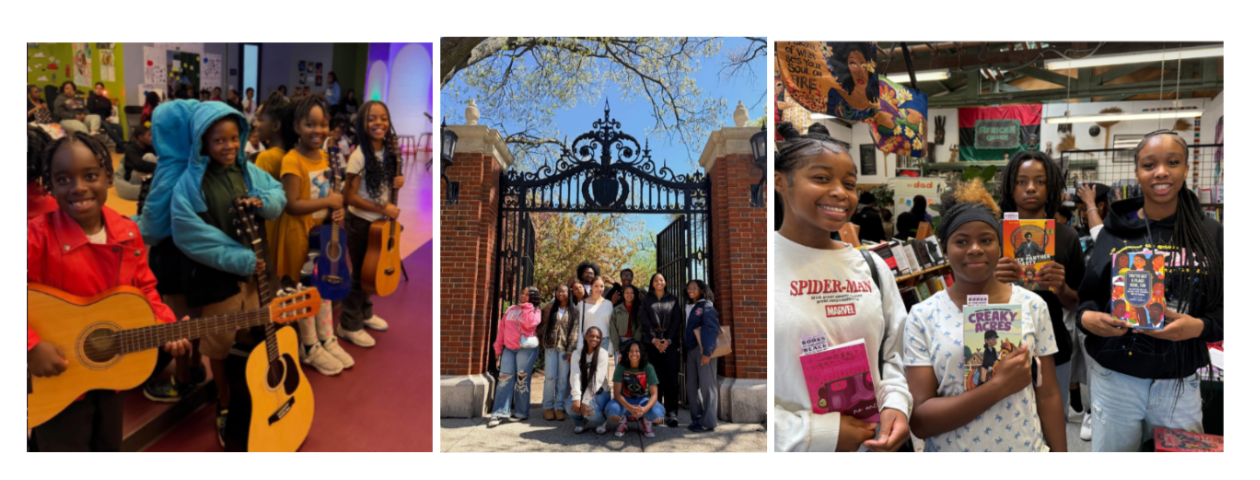
East Oakland Youth Development Center: One of the distinct features of our programming is our Cascading Mentorship framework. In this framework, high school and college students get a work-based learning opportunity that allows them to gain practical experience in a professional environment, while also serving as role models and mentors to elementary and middle school participants in our programming.
Many of our interns were former participants, which means they get to give back to their younger peers in the same way that previous interns supported them. This approach not only better prepares our young people for the job opportunities outside of EOYDC, but it also fosters community, which is central to the holistic development we strive for in our mission.
OLC: What’s on the horizon? What community programming or events are coming up that your organization is most excited about and why?
East Oakland Youth Development Center: At the top of the calendar year (January 2027), we will be recruiting for our Literacy Instructional Fellowship (mentioned above). Instructional Fellows are leadership roles that provide aspiring educators an opportunity to enhance their teaching skills and gain more experience serving youth. This fellowship is designed for fellows to learn best practices for working with and instructing designated age-groups. Further, this program helps fellows establish their career plans post-fellowship, while also gaining the experience and skills sets required to be successful in future direct-service opportunities with young people.
Ultimately, the goal of this program is to provide young adults who are heavily considering a career in ECE, elementary school teaching, and/or youth development to gain the skills and experience needed to be attractive to future employers in the education/youth-serving sector. We look for candidates who have a passion and interest in becoming educators, at least two years of previous experience working directly with elementary/early middle school students, and enrolled in and actively attending (or recently completed) community college, university, or academic certificate programs, with at least 48 units. Those who are interested can use this link to receive more information in the coming months: https://bit.ly/4i0qD6m
OLC: Is there anything that you wish more people knew about your organization or the issues you are trying to solve?
East Oakland Youth Development Center: We have programs and support for people of all ages! Our Education Continuum serves young people from kindergarten through college, we have paid internship opportunities across a range of industries for young people who have completed 9th grade up to 26 years old, and we provide (and/or partner with organizations that offer) emergency support services.
Throughout the year, our programs take place after school, offering both academic support (including homework help) and a plethora of enrichment activities (visual/performing arts, cooking, tech, sports, and much more). All of our offerings are free! People can visit www.eoydc.org for more information.
OLC: What are you most looking forward to as a member of the Oakland Literacy Coalition?
East Oakland Youth Development Center: We are grateful to be in community with so many organizations that are dedicated to ensuring the young people of Oakland have the foundational skills necessary to succeed. We also recognize the commitment of OLC and its members to not only ensure that students can read, but the importance of responding to the literacy needs in the context of rapidly evolving times.
And we know that there are so many various factors that influence students’ willingness, desire, and ability to be literate. Being in partnership with organizations that address all of these various, at different levels of development, is vital.
OLC: Could you share an anecdote/experience about working with students or teachers that really stood out for you?
East Oakland Youth Development Center: Last school year was the first year that our elementary school program manager, Aniyah Cleveland-McCants, instituted the reading groups mentioned earlier. Over the course of the past year, one of our elementary students has shown tremendous growth in his literacy development which, in large part, has been attributed to these circles. Not only has staff seen improvement in his ability to read, he has also demonstrated that he enjoys reading more.
Most notably, when given the opportunity to either go to the gym for free time or read, this student chose to read (which would not have been his choice previously). Additionally, during the aforementioned Spelling Bee, he came in second place in his grade group (2nd-3rd). This was very significant in that the other student who he was competing against was the winner of the competition last year, and determining the winner required both of them to spell 4th and 5th grade words-despite them both competing for the 2nd-3rd grade group
It has been great to see how this student has really grown in the area of literacy and been able to put his growth on display, both in small ways (like his choosing to read over gym) and big ways (like being a finalist in a competition-in front of his peers and staff).
OLC: The literacy crisis is real and impacts us all at the local, state and national level. With that said, what does Literacy & Justice for All mean to you?
East Oakland Youth Development Center: The right and ability to read is justice. Beyond that, people (particularly those who have the most influence over our education system) caring about marginalized communities literacy is caring about social justice. Education generally, but reading more specifically, has been denied from Black and Brown communities, contributing to the disenfranchisement of our communities.
Prioritizing literacy for our students is one of the ways that promote, and give them the agency to attain liberty and justice. It also provides a portal that enables our youth to connect to the past, access historical texts about their history and heritage, and reimagine the future through genres that allow them to imagine bright futures.